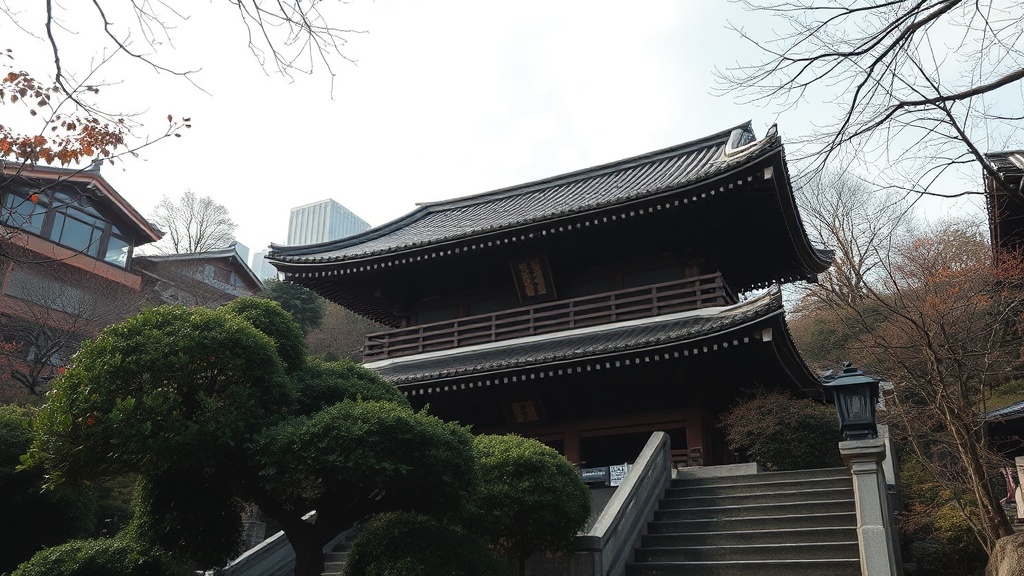
Finding Quiet Moments in Kyoto's Hidden Temples

Are you tired of fighting through crowds of selfie sticks just to catch a glimpse of a Zen garden? This post covers how to find stillness in Kyoto by skipping the heavy-hitters like Kinkaku-ji and instead focusing on lesser-known temple precincts that offer genuine peace. We'll look at specific locations, the best times to visit, and practical tips for traveling with a group or family without losing your mind in the process.
Kyoto is a city of contradictions. On one hand, it's a cultural powerhouse with thousands of shrines; on the other, the most famous spots can feel more like a theme park than a spiritual site. If you're traveling with a partner or a small family group, the noise levels at the major landmarks can actually disrupt the very experience you came for. Finding a quiet corner isn't just a preference—it's often the only way to actually appreciate the craftsmanship of these ancient sites.
Where are the best quiet temples in Kyoto?
The best quiet temples in Kyoto are often found in the northern hills or the outskirts of the city, such as Enko-ji or Gio-ji. While the "Golden Pavilion" gets all the social media glory, these smaller temples offer much more intimacy for travelers. For example, Enko-ji features a stunning moss garden and a view of the city that remains remarkably uncrowded compared to the central districts.
If you're traveling with kids, look for temples with larger grounds. A cramped, indoor shrine is a recipe for a meltdown. Instead, aim for places like Shisendo. It has a wide, open garden where the sound of the water (the famous suikinkutsu) provides a natural soundtrack. It's much easier to keep a group together when there's actual physical space to move around.
Here are a few specific recommendations based on the "vibe" you're looking for:
- For pure greenery: Gio-ji. It's a tiny temple famous for its thick moss and maple trees. It feels like a secret forest.
- For architecture lovers: Honen-in. It's near the famous Philosopher's Path, but it's much more secluded. The sand mounds at the entrance are beautiful.
- For a view without the climb: Genko-an. It has two windows—one called the "Window of Enlightenment" (round) and one called the "Window of Confusion" (square). It's a great way to engage children in a bit of storytelling while you sit in silence.
One thing to keep in mind: even these "hidden" spots can get busy during peak cherry blossom or autumn foliage seasons. If you're aiming for total solitude, you'll need to time your arrival perfectly.
How much does it cost to visit temples in Kyoto?
Most temple entrance fees in Kyoto range from 300 to 600 JPY per person. While these costs are relatively low, they can add up quickly if you're traveling with a family of four or more. It's a good idea to carry plenty of small denominations of Japanese Yen, as many smaller temples do not accept credit cards for these modest fees.
I've put together a quick comparison of typical costs for a standard group of two adults and one child (assuming a child under 12 pays half or is free at some locations):
| Temple Type | Avg. Cost (Adult) | Avg. Cost (Child) | Vibe Level |
|---|---|---|---|
| Major Landmark (e.g. Kiyomizu-dera) | 400 - 500 JPY | 200 JPY | Very Crowded |
| Mid-sized Zen Temple | 300 - 400 JPY | 150 JPY | Moderate |
| Small/Hidden Temple | 200 - 300 JPY | Free/Minimal | Very Quiet |
Worth noting: Always check the Japan-Guide website before you head out. They keep updated information on many of the major sites and can give you a heads-up on seasonal closures. If you're using a Suica or Pasmo card for your trains, remember that these only work for transportation, not for temple entrance fees.
If you're traveling as a couple, you might find that some of the more "meditative" temples offer shakyo (the practice of sutra copying). It's a paid experience, but it's a fantastic way to slow down and actually participate in the culture rather than just observing it from behind a lens.
When is the best time to visit Kyoto for fewer crowds?
The best time to visit Kyoto for fewer crowds is during the "shoulder seasons," specifically late May or early June, and late October. While everyone else is rushing to see the cherry blossoms in April or the bright red maples in November, these slightly "off" windows offer much more breathing room. The weather is still pleasant, but the sheer volume of tourists drops significantly.
If you can't change your dates, you can still beat the rush by adjusting your daily schedule. The secret is simple: go early. Most tour buses start arriving at major sites around 10:00 AM. If you can get to a temple by 8:30 AM, you'll often have the place almost entirely to yourself. This is especially true for the smaller, peripheral temples I mentioned earlier.
Here's a quick strategy for group travel:
- The Early Bird Strategy: Aim for a 7:30 AM or 8:00 AM start. Grab coffee and a pastry from a local konbini (convenience store) and head straight to your first destination.
- The Lunch Pivot: Most crowds peak between 11:30 AM and 2:00 PM. Use this time to have a long, seated lunch at a restaurant or a cafe. It's a great way to give the kids a break from walking.
- The Late Afternoon Drift: Many people head back to their hotels or to the train stations in the late afternoon. If you visit a temple around 4:00 PM, the light is beautiful for photos (and the crowds are thinner).
The catch? If you go too late, some smaller temples might start closing their gates. Most close around 4:30 PM or 5:00 PM, so don't wait until 4:15 PM to arrive if you actually want to see the gardens. It's a fine line to walk.
When you're out and about, comfort is everything. I always suggest wearing a solid pair of walking shoes—don't try to do this in fashion sneakers that lack support. If you're doing a lot of walking through gravel paths (which is common in temple gardens), a pair of Hoka or New Balance trainers will save your feet. It sounds trivial, but after four hours of navigating stone steps, you'll thank me.
"The silence of a Zen garden isn't just the absence of noise; it's the presence of intentional space."
This feeling is exactly what you're looking for when you bypass the main tourist drags. Whether you're looking for a moment of connection with your partner or a way to calm a restless child, these quiet spots are the real soul of Kyoto. Just remember to pack a light jacket—even in spring, the northern hills can get a bit chilly once the sun dips.
For more detailed information on Japanese cultural etiquette and travel requirements, I highly recommend checking the official Japan National Tourism Organization site. It's the gold standard for making sure you're respecting local customs while you explore.