
How to Plan a Couples Trip That Doesn’t Turn Into a Group Travel Disaster

Here’s the uncomfortable truth: most couples trips don’t fail because of the destination. They fall apart because of mismatched expectations, poor planning, and unspoken assumptions that surface at the worst possible moment.
I’ve seen perfectly good friendships strained over dinner reservations, wake-up times, and that one person who "just wants to wing it." Planning a couples trip is less about picking a pretty place and more about designing a shared experience that actually works for everyone involved.

Start With Alignment, Not Flights
Before anyone opens a booking app, you need alignment. Not vague agreement—real clarity.
Ask each couple three questions: What does a perfect day look like? What’s a hard no? What’s one must-do experience? You’ll be surprised how quickly differences emerge.
One couple wants sunrise hikes and early dinners. Another wants late brunches and nightlife. Neither is wrong, but pretending those differences don’t exist is how trips quietly unravel.
Get it out early. Build around it.

Choose the Right Destination for Group Dynamics
Not every destination works for group travel. Some places are incredible for couples but terrible for groups.
Look for destinations that offer flexibility. You want options within walking distance or a short drive—cafés, activities, downtime spaces. Resort towns, coastal cities, and well-designed national park hubs tend to work well.
A remote cabin sounds romantic until half the group feels trapped. A dense city sounds exciting until decision fatigue sets in.
The sweet spot is variety without chaos.
Pick Accommodations That Reduce Friction
This is where most trips quietly succeed or fail.
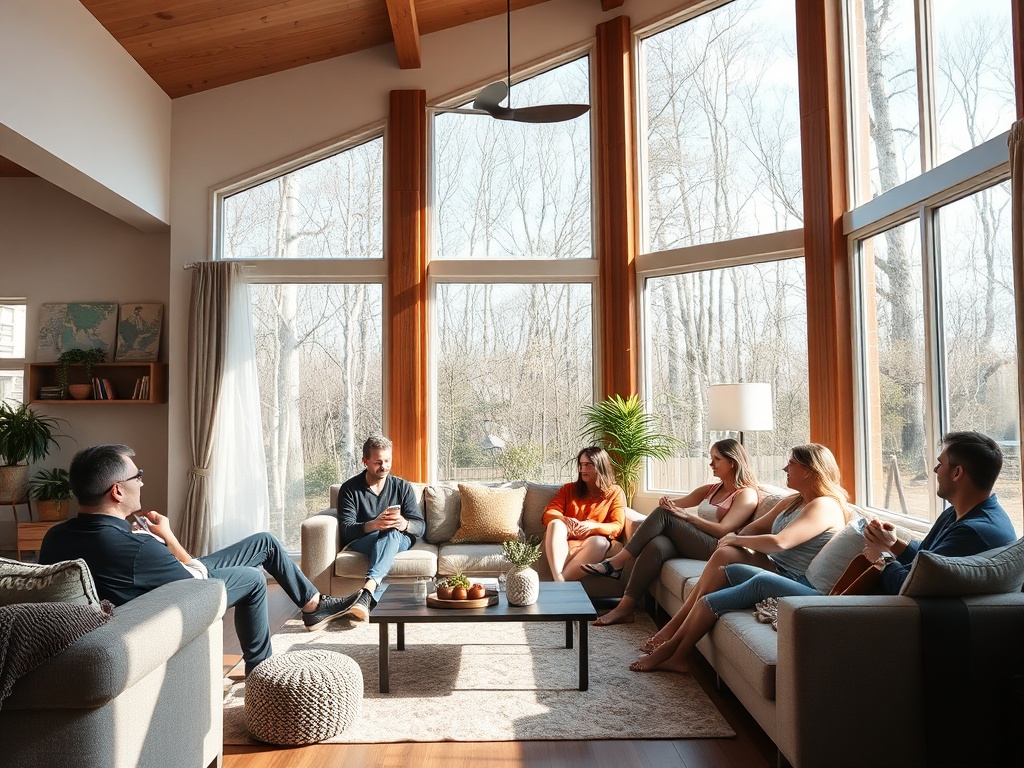
Everyone says they’re fine sharing space—until they’re not. Privacy matters more than people admit. If you can, prioritize:
- Separate bedrooms for each couple
- Multiple bathrooms
- A large shared common area
- Outdoor space (patio, balcony, yard)
A slightly more expensive place that gives everyone breathing room is almost always worth it.
If the layout forces constant togetherness, tension builds fast.

Plan Structure Without Overplanning
There’s a balance most groups get wrong. Too little planning creates chaos. Too much planning creates resentment.
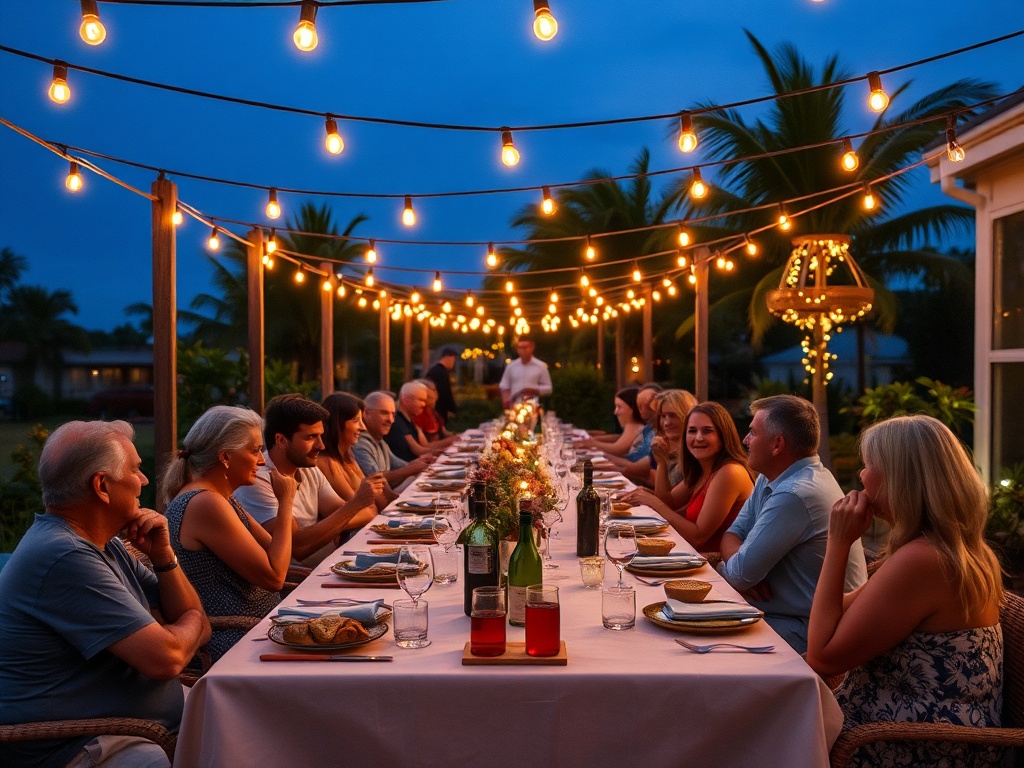
Here’s what works: anchor the day with one shared activity. That could be a dinner reservation, a hike, a boat day, or a guided tour.
Everything else stays flexible.
This gives the group something to rally around without forcing everyone into the same schedule all day.
Build in optionality. Make it clear that splitting up is not a failure—it’s part of the design.
Handle Money Conversations Early
If you avoid money conversations, they will happen anyway—just later, and with more tension.
Agree on a rough daily budget range before the trip. Decide how shared expenses will work: equal split, per couple, or itemized.
Use a shared expense app or simple tracking system. Keep it transparent.
The goal isn’t perfect fairness. It’s removing ambiguity.

Define Social Time vs. Couple Time
This is the most overlooked piece of couples travel.
Not every moment needs to be shared. In fact, forcing constant group time often backfires.
Set the expectation early: there will be group time and individual couple time. Both are intentional.
Maybe mornings are flexible, afternoons are open, and evenings are shared. Or vice versa.
When people don’t feel trapped, they show up more fully for the group moments.

Assign Light Roles (Without Making It Weird)
You don’t need a rigid system, but having informal roles helps.
One person handles reservations. Another researches activities. Someone else organizes groceries or transport.
This prevents the classic problem where one couple does all the work while others coast.
Keep it light. Rotate if needed. The goal is shared ownership, not hierarchy.

Expect Small Friction—and Let It Go
Someone will be late. Someone will want to change plans. Someone will be quieter than usual.
This is normal.
The mistake is treating every small friction point as something that needs to be addressed or fixed. Most don’t.
Give people space. Assume good intent. Focus on the overall experience, not the momentary annoyances.
The trips people remember fondly aren’t perfect—they’re just easy.

The Real Goal of a Couples Trip
A great couples trip isn’t about maximizing activities or hitting every highlight.
It’s about creating an environment where connection happens naturally—between couples, and within them.
If you design for flexibility, respect differences, and remove the obvious friction points, everything else tends to fall into place.
And when it works, it really works. You leave not just with photos, but with shared memories that actually strengthen relationships instead of testing them.
That’s the difference between a trip that looks good online and one that people quietly talk about for years.