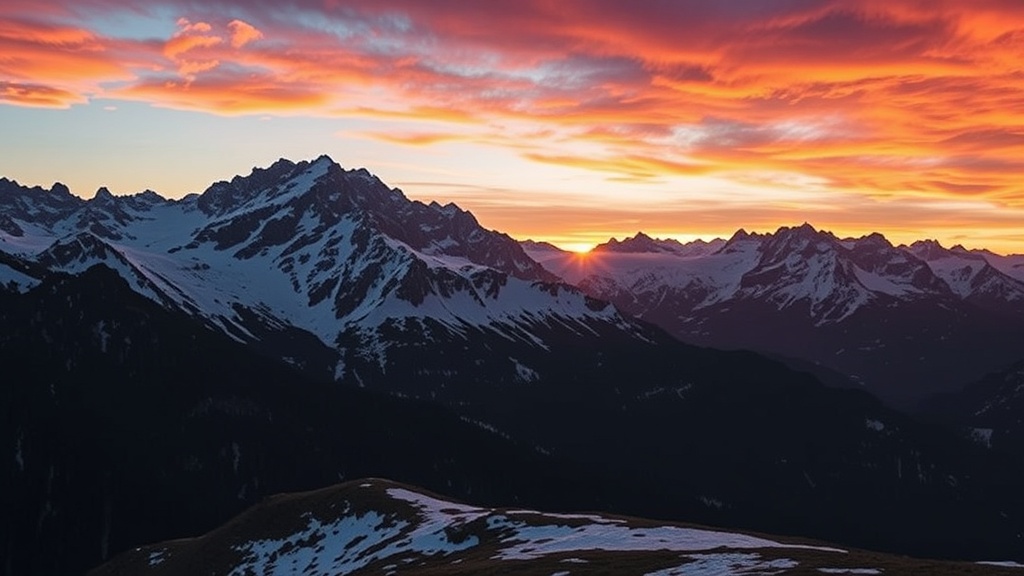
Chasing Golden Hour in the Swiss Alps
Over 70% of the Swiss Alps' visual appeal changes within a single 20-minute window of sunlight. This post details how to time your photography and sightseeing to catch the peak light in the Jungfrau region and Zermatt. We’ll look at the best vantage points, the gear you actually need for mountain light, and how to manage group logistics when the weather turns.
The Swiss Alps aren't just about the views; they're about the timing. If you arrive at a lookout point at 4:00 PM, you've missed the magic. By 6:00 PM, the light is hitting the Eiger and Mönch in a way that makes the granite glow. It’s a specific, fleeting moment that defines the high-altitude experience.
Where is the best place to see the sunset in the Swiss Alps?
The best places to catch the sunset are the high-altitude ridges near Zermatt and the Lauterbrunnen Valley. If you want the classic "glow" on the Matterhorn, you need to be positioned on the north-facing side or a high-altitude balcony. For the Jungfrau region, the views from Mürren offer a perfect unobstructed view of the sunset hitting the western faces of the peaks.
Mürren is a car-free village, which makes it a dream for families. You don't have to worry about traffic or noise—just the sound of cowbells and the wind. It's also a great spot for couples who want a quiet, high-end experience without the chaos of Interlaken. I highly recommend taking the cable car up to the Schilthorn. The view from the top is incredible, but the real beauty happens when the sun dips low and the valleys begin to shadow.
One thing to watch out for is the rapid temperature drop. Even if it feels warm in the valley, the summit temperature can be 15 degrees lower. I always suggest wearing a layer like the Patagonia Nano Puff. It’s lightweight, packs down small, and keeps that chill off while you're waiting for the light to change.
A quick tip for groups: don't wait until the last minute to start your ascent. If you're relying on a cable car, check the Jungfrau.ch official website for the last departure times. There is nothing worse than being stuck at a summit because you were too busy taking photos to notice the last lift left.
How much does a Swiss Alpine pass cost?
A Swiss Travel Pass typically costs between $450 and $500 per adult for a continuous 8-day pass, depending on the season and class of travel. This pass covers most trains, buses, and boats, and offers significant discounts on mountain excursions. For families, the Swiss Family Card can often make the trip much more affordable by providing free travel for children under 16 when accompanied by a parent.
If you are traveling as a couple and focusing on specific regions, you might find the regional passes more economical. Here is a breakdown of how different travel options stack up for a high-altitude excursion:
| Pass Type | Best For | Pros | Cons |
|---|---|---|---|
| Swiss Travel Pass | Long-distance travelers | Unlimited trains/boats; highly flexible | Expensive for short trips |
| Jungfrau Pass | Jungfrau Region enthusiasts | Great for many mountain ascents | Limited to one specific area |
| Half Fare Card | Budget-conscious groups | 50% off most things | Requires more upfront planning |
Worth noting: if you're planning a group trip with multiple stops, the Half Fare Card is often the smartest play. It isn't as "set it and forget it" as the full pass, but the savings add up quickly when you're paying for expensive mountain railways. I've seen many groups blow their budget because they underestimated the cost of the local cogwheel trains.
If you're worried about the logistics of moving a larger group through these stations, you might find my previous post on planning group travel helpful. The Swiss rail system is incredibly efficient, but the sheer volume of people in the summer months can make coordinating a group of four or more a bit of a headache.
What gear should I bring for mountain photography?
You should bring a sturdy tripod, a circular polarizer, and a high-capacity power bank. The cold air at high altitudes drains batteries much faster than at sea level (it's a physical reality, not an exaggeration). A polarizing filter is also a must—it helps cut the glare from the snow and makes the blue of the sky pop against the white peaks.
When you're out chasing that light, you'll notice the wind picks up as the sun sets. This is when the "golden hour" becomes a battle against the elements. I never leave the hotel without a dedicated windbreaker. Even if you aren't a "pro" photographer, having a stable base for your camera is vital. If you're trying to capture a long exposure of a mountain stream or a slow-moving cloud, a handheld shot just won't cut it.
For those traveling with kids, don't forget the "comfort" gear. A high-quality pair of binoculars can keep a child engaged while you're setting up your shot. It turns a "waiting" period into a "discovery" period. It's also worth checking the MeteoSwiss website regularly. The weather in the Alps is famously fickle, and a clear sky at 10:00 AM can turn into a total whiteout by 3:00 PM.
Here is a quick checklist for your mountain kit:
- Lightweight Tripod: Essential for low-light shots.
- UV Filter: Protects your lens from grit and ice.
- Extra Batteries: Cold weather kills battery life.
- Polarizing Filter: Reduces glare on snow surfaces.
- Portable Power Bank: For keeping phones and cameras alive.
It’s easy to overpack, but in the mountains, you're often walking or hiking to reach the best spots. Don't carry a heavy backpack full of "just in case" gear. Stick to the essentials and focus on the light.
One mistake I see often is people focusing entirely on the "big" view and forgetting the small details. The way the light hits a single alpine flower or a wooden chalet can be just as striking as the Eiger itself. If you're traveling with a partner, make sure you aren't just looking through a lens the whole time. Take a moment to put the camera down. The view is even better when you aren't trying to frame it perfectly.
If you're heading to the Alps after a long flight, you'll likely be dealing with luggage-heavy transit. If you need tips on traveling light, check out my guide on seamless packing for two. It’ll save you a lot of frustration when you're trying to navigate those narrow train aisles with your gear.
The Swiss Alps are a masterpiece of light and shadow. Whether you're there for the professional-grade shots or just to sit on a bench and breathe the crisp air, the timing is everything. Get there early, watch the shadows move, and keep your layers handy.