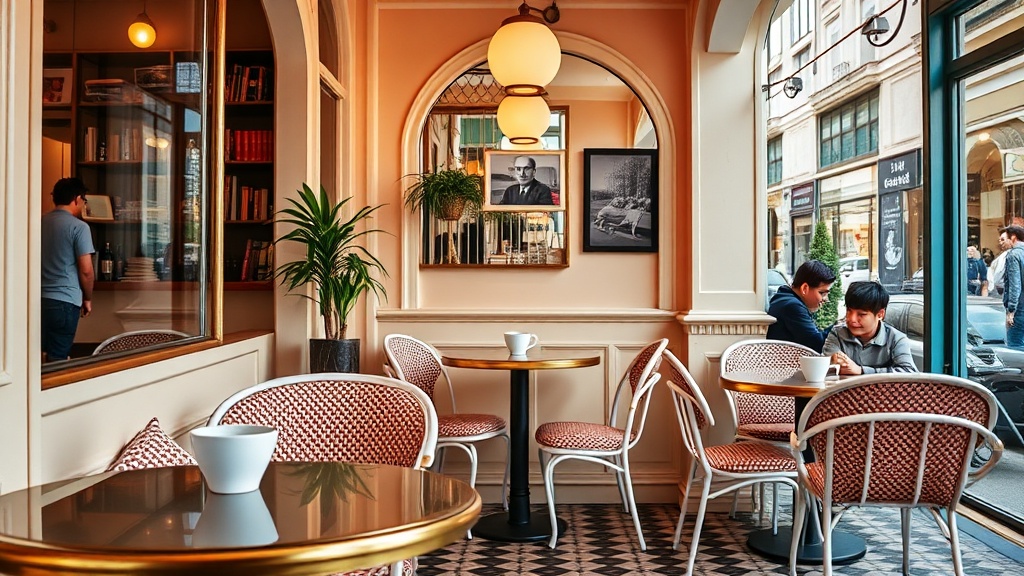
Sipping Coffee and Slowing Down in Lisbon's Pastel Cafes

Imagine sitting at a tiny, marble-topped table on a cobblestone street in Alfama, watching the morning light hit the yellow trams while sipping a thick, creamy galão. This isn't just about grabbing a caffeine fix; it's about the deliberate act of slowing down. This post explores the specific cafe culture of Lisbon, the best neighborhoods for finding quiet corners, and how to actually enjoy the city's famous pastries without feeling rushed by the crowds. If you're traveling as a couple or a small group, mastering this art of the "slow morning" is what separates a stressful sightseeing trip from a genuine experience.
Lisbon is a city built on hills and steep stairs, which can be exhausting if you're constantly rushing from one landmark to the next. Taking a break in a local cafe isn't a waste of time—it's a survival tactic. It gives your legs a rest and lets you actually soak in the atmosphere of the city.
Where are the best cafes in Lisbon for a slow morning?
The best cafes for a slow morning are found in the historic neighborhoods like Alfama, Príncipe Real, and Chiado, where the pace of life feels slightly more rhythmic. While the tourist hubs around Praça do Comércio are easy to access, the real magic happens in the side streets where the locals actually hang out.
If you want a more refined, aesthetic experience, head to Príncipe Real. It's a bit more upscale and much quieter than the bustling Baixa district. You'll find plenty of greenery and beautifully tiled facades here. If you prefer something traditional, look for the small pastelerias tucked away in the narrow alleys of Alfama. These spots might only have three or four tables outside, but the view of the Tagus River while you eat is unbeatable.
For those traveling with a partner and wanting a bit of a "vibe," I'd recommend checking out LX Factory. It's an industrial-turned-creative space that offers a much more modern, edgy take on the cafe experience. It's a great way to see a different side of Lisbon's urban identity. (Just a heads up: it can get loud on weekends, so don't expect a silent retreat there.)
To ensure you're prepared for the varying weather and walking conditions, I always suggest looking at your gear beforehand. If you're worried about how to manage your belongings while exploring these narrow streets, check out my guide on seamless packing for two to keep your movement fluid and stress-free.
A Quick Comparison of Lisbon Cafe Styles
| Cafe Type | Best For | Vibe/Atmosphere | Typical Order |
|---|---|---|---|
| Pastelaria | Quick, cheap bites | Traditional, no-frills, loud | Pastel de Nata & Bica |
| Specialty Coffee Shop | Slow mornings & reading | Minimalist, quiet, modern | Flat White & Avocado Toast |
| Sidewalk Brasserie | People watching | Social, lively, scenic | Mimosa or Espresso Macchiato |
How much does a coffee and pastry cost in Lisbon?
A typical coffee and a pastry in a standard local cafe will cost between €2.50 and €5.00. Prices vary depending on whether you are sitting down at a table or standing at the counter, and whether you are in a tourist-heavy area or a residential neighborhood.
Here is a rough breakdown of what you can expect to pay:
- Bica (Espresso): €0.80 – €1.50
- Galão (Milky coffee): €1.50 – €3.00
- Pastel de Nata: €1.00 – €1.50
- Brunch/Avocado Toast: €10.00 – €16.00
The catch? If you sit down at a table in a high-traffic area like near the Sé Cathedral, you'll likely pay a "service fee" or a higher markup for the seat. If you want to save a few Euros, do as the locals do: order at the counter, drink your coffee standing up, and move on. But if you're on a romantic getaway, it's usually worth the extra euro to actually sit down and enjoy the view.
For more accurate information on local customs and regulations regarding public spaces, you can always consult the official Visit Portugal website. It's a great resource for understanding the broader cultural context of your trip.
What are the must-try pastries and coffee drinks?
The most iconic treat you must try is the Pastel de Nata, a creamy egg custard tart with a flaky, crispy crust. To experience it at its best, look for places that serve them warm. You can often find them at Pastéis de Belém, which is the gold standard for this specific treat.
Beyond the tart, there are several other items and drinks that define the Lisbon cafe experience:
- Bica: This is what locals call a simple espresso. It's strong, dark, and the perfect way to kickstart your morning.
- Galão: A delicious, milky coffee served in a tall glass. It's essentially a Portuguese latte and is perfect for a slow, lingering breakfast.
- Torrada: Not just any toast, but thick slices of bread heavily buttered. It's a staple for a hearty breakfast.
- Abade de Priscos: A more specialized pastry that is much richer and sweeter than the standard tart.
I've found that many people overcomplicate their coffee orders when visiting Lisbon. You don't need to search for a complex oat milk matcha latte—though you'll find them in the hipster corners of Arroios. Instead, lean into the tradition. There is something deeply satisfying about the simplicity of a hot bica and a warm pastry while the city wakes up around you.
It's also worth noting that many of these traditional cafes have very limited English menus. Don't let that intimidate you. Most staff are incredibly friendly, and a little bit of Portuguese goes a long way. Even a simple "Obrigado" (thank you) or "Bom dia" (good morning) can change the entire energy of your interaction.
When you're planning these types of slow-paced outings, it's important to consider the group dynamic. If you're traveling with a partner, the pace is easy to control. If you're with a larger group, things can get messy. I've written about how to avoid group travel disasters, and one of the best tips is to allow for "unstructured time" where everyone can do their own thing—like hitting a different cafe—before meeting back up.
The beauty of Lisbon isn't just in the monuments or the museums. It's in those quiet, unscripted moments. Whether you're tucked into a corner of a dim cafe in Mouraria or watching the sun hit the tiles in a bright shop in Chiado, the goal is the same: stop looking at your watch and start looking at the world. The coffee is great, but the stillness is even better.